
We create positive change by connecting separate worlds. Can’t think of a better reason to be in business.

Combining perspectives from different places – identifing strategies, positions and ideas that may surprise you
Analyses and Insights. What we read and write, share and think about
Methods and Reflections. What we practise, question, refine and share.
When Strong CEOs Create Weak Organisations
The fascination with charismatic, highly visible CEOs may come at an institutional cost. In a column for Børsen, Kresten Schultz Jørgensen examines how the celebration of individual leadership can undermine organisational judgement, independence and resilience. The distinction is not between strong and weak leaders, but between those who concentrate authority around themselves and those who build organisations capable of functioning without them.
AI Has Made Writing Cheap. Thinking Is Another Matter.
Artificial intelligence has made the production of communication faster, easier and almost infinitely scalable. But greater output does not necessarily create greater value. In a column for Kommunikationsforum, Kresten Schultz Jørgensen argues that as content becomes abundant, what remains scarce becomes more important: original ideas, sound judgement, human understanding and the ability to recognise what is worth communicating in the first place.
Welcome to Tom & Kresten
An intellectual cushion room for those who care about communication – or are simply curious about the world.
Every month, two seasoned advisors meet at the mic to unpack what lies beneath the messages of the moment: big ideas, subtle trends, and timeless thinking.
We meet once a month. And we promise: it’s never boring. Just necessary. Tune in – and think along.


Episode 4: Når viden ikke er nok

Episode 3: Øjnene på integriteten
Episode 3: Øjnene på integriteten
Episode 2: Alle vil tage kontrollen tilbage
Episode 2: Alle vil tage kontrollen tilbage
Podcast Launch: Tom & Kresten
We have launched the podcast Tom & Kresten – a new conversational space about a world in flux, leadership under pressure, and the growing sense that the terrain is beginning to move faster than the maps designed to navigate it.
Together with Tom Bue – a seasoned radio and media personality from Northern Jutland and a long-time observer of people, power, and media dynamics – Kresten Schultz Jørgensen explores the shifts currently shaping public discourse, institutions, and organisations.
The conversations revolve around geopolitics, technology, narratives, legitimacy, leadership, and media. But also about doubt, judgement, and the art of finding orientation while the world order improvises in real time.
The format is intentionally more clubhouse than channel. An intellectual sanctuary for people who may not lack information – but perhaps miss perspective, direction, and meaningful conversations without PowerPoint and panic.
And yes: there are quizzes. There are tangents. There is seriousness. And, occasionally, a surprising amount of Northern Jutland woven into it all.
The podcast is now available on Spotify and Apple Podcasts.
Latest perspectives

The green transition has become a battle over scarce resources
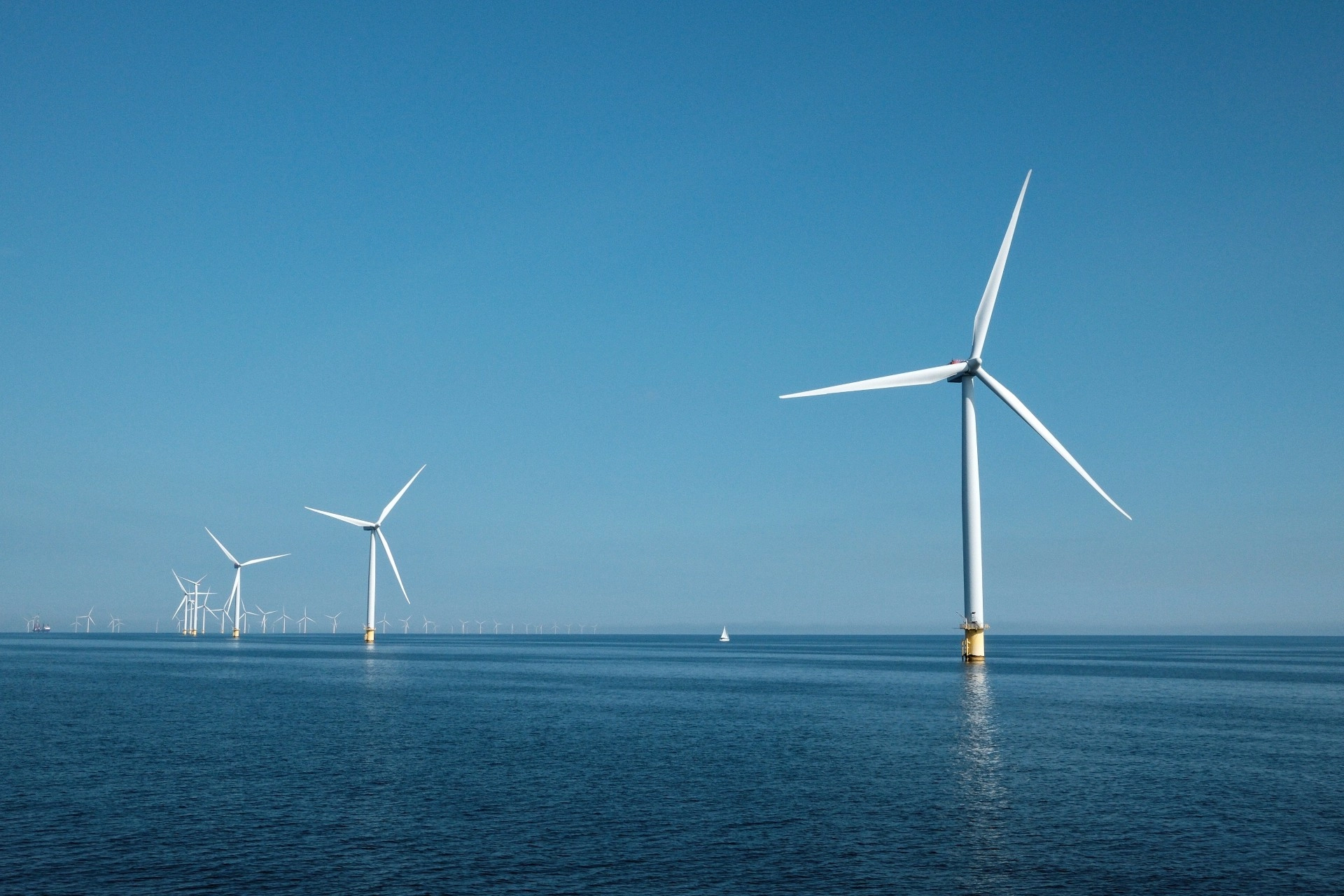
Five Sharp Takes: The green transition has become a battle over scarce resources The direction of the green transition remains clear, but the conditions are changing. Grid capacity, prices, security of supply, local acceptance and investment risks are increasingly shaping what can actually be delivered – and how fast. In Five Sharp Takes, Christian Bay, who works with energy and sustainability at SJ&K, highlights five developments that are redefining the energy agenda and turning questions of infrastructure and capacity into strategic choices for businesses, policymakers and society.

The only fluctuations in the constancy of energy are politics
Energy leadership is becoming political leadership Energy can be measured, modelled and optimised. Politics cannot. Yet the two are becoming increasingly difficult to separate. In our latest Perspective, we look at why scarcity in the energy sector is less about energy itself and more about grid capacity, permits, local acceptance and political priorities – and why navigating politics is becoming a core leadership capability for energy executives.
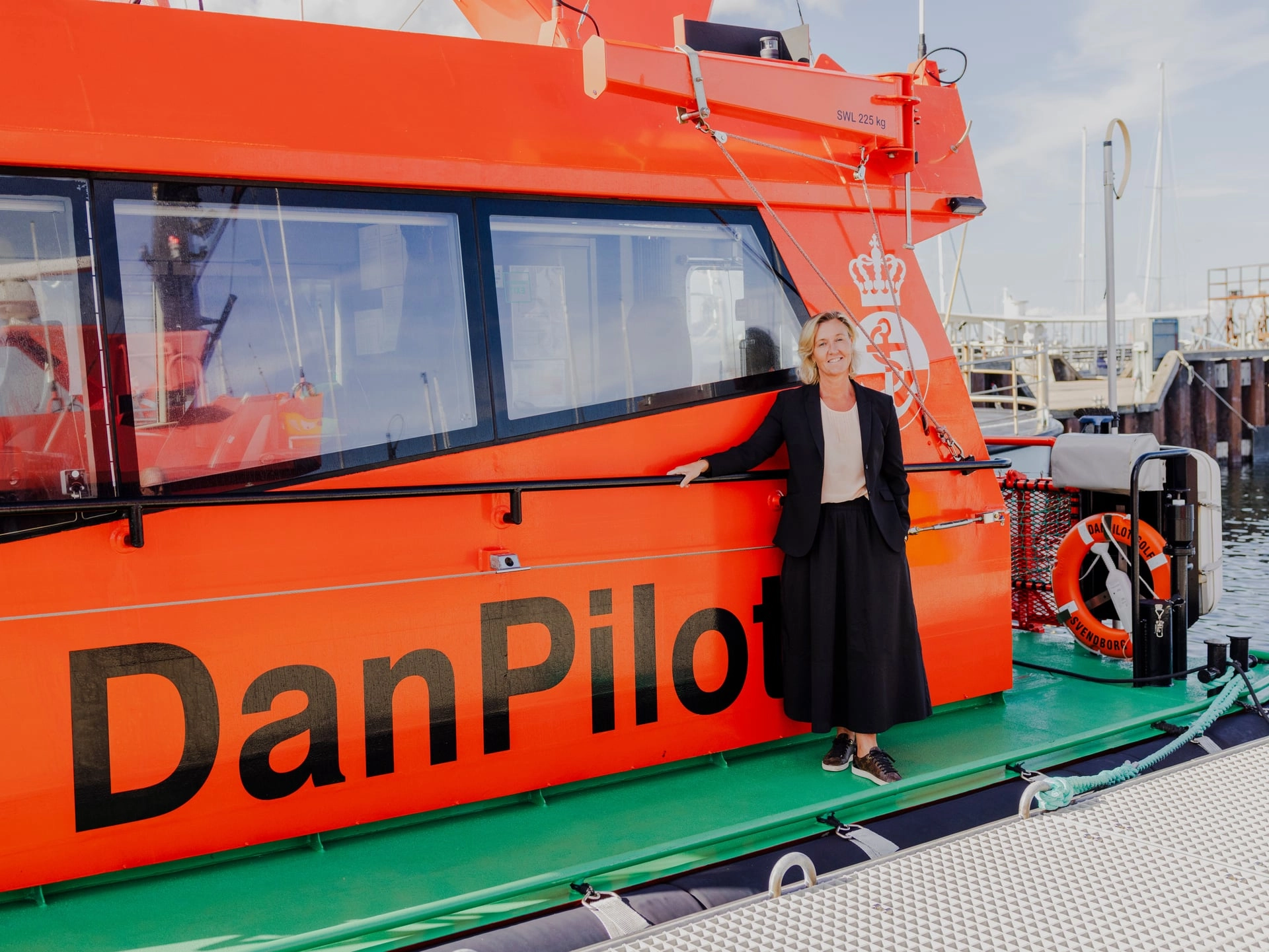
Case Interview: Janni Torp Kjærgaard, DanPilot – Changing What Cannot Fail
Critical infrastructure is built around a promise of continuity. But fulfilling that promise increasingly requires change. Geopolitical uncertainty, new technologies and growing demands for resilience are reshaping what society expects from the organisations it depends on. In this case interview, we speak with DanPilot CEO Janni Torp Kjærgaard about leading within that tension – transforming an organisation while protecting the core task society relies on every day. For DanPilot, that means balancing safety and stability with innovation, organisational change and a broader role in national preparedness.
Projects







.webp)


Our services are not a window of prototype products:
We see who you are, your potential and probably also your limitations. We challenge you by connecting wisdom from politics, business and culture.
And then we find what you truly need.

Buzzing
Featured podcasts
Media, Power and Provocation on Q&CO
In conversation with Henrik Qvortrup, Kresten Schultz Jørgensen tackles media responsibility, image ethics, and the price of silence.

Media, Power and Provocation on Q&CO
Leadership Nuances Unpacked
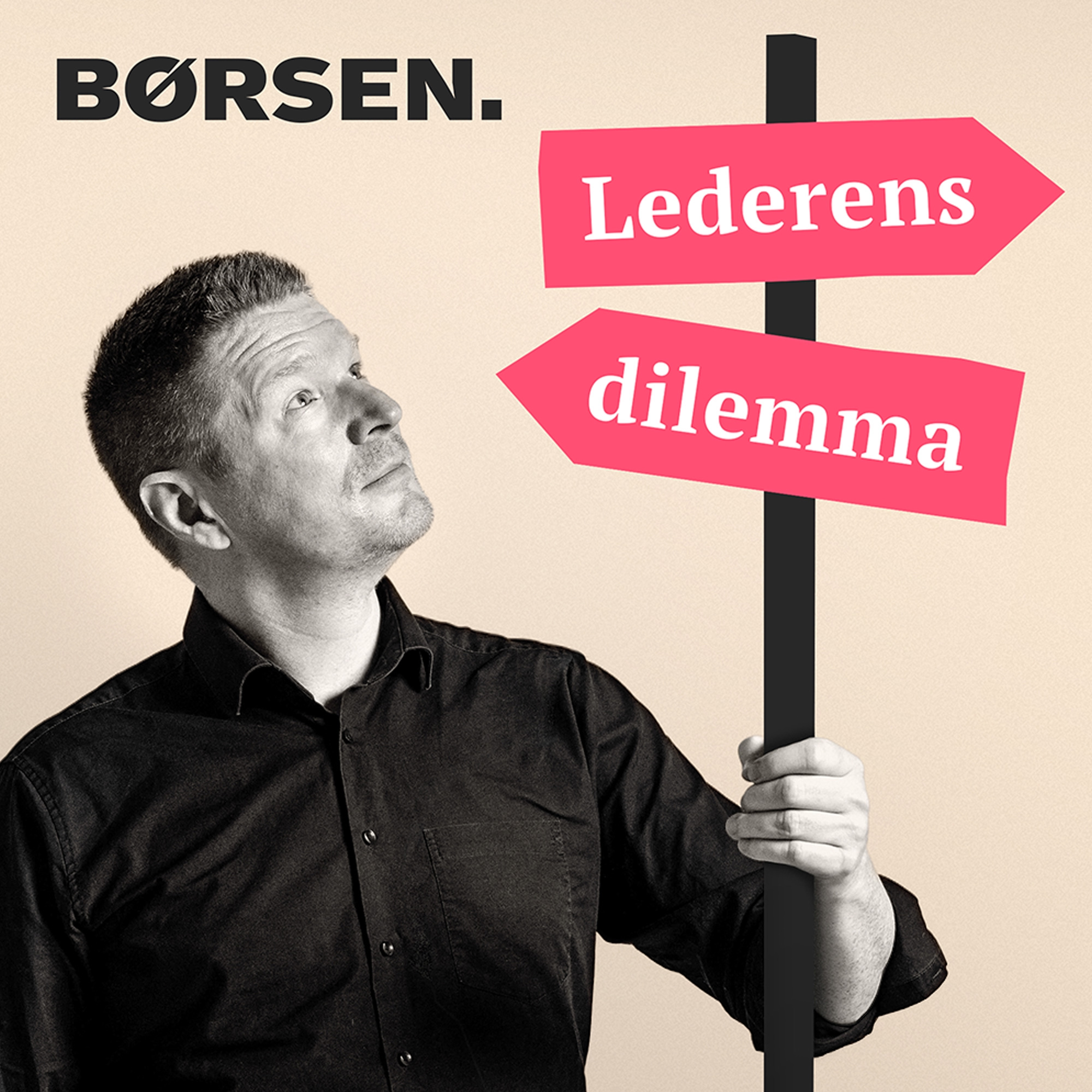
Grateful to Børsen for a thoughtful panel on leadership, from loyalty to personal branding, with insights from top experts Claus Richter and Pernille Steen Pedersen and Kresten from SJ&K.
Leadership Nuances Unpacked
Was it cynical spin when the owning family behind Nordic Waste finally broke their silence?
Was it cynical spin when the owning family behind Nordic Waste finally broke their silence? Kresten comments in this podcast.

Was it cynical spin when the owning family behind Nordic Waste finally broke their silence?
Frankly, we are very few people – and we take pride in keeping it that way. We call it the inverted pyramid.
We know politics, business and culture. We write books and read a lot. You probably know us already.
