
We create positive change by connecting separate worlds. Can’t think of a better reason to be in business.

Combining perspectives from different places – identifing strategies, positions and ideas that may surprise you
Analyses and Insights. What we read and write, share and think about
Methods and Reflections. What we practise, question, refine and share.
I Have Built Several Agencies in My Life – If I Were Doing It Today, I Would Focus on These Questions
In a column for Kforum, Kresten Schultz Jørgensen reflects on how he would build an advisory firm today, after spending a lot of his career building agencies. Rather than starting with a fixed model, he argues that the more important questions concern size, AI, project duration, business models and how young advisers learn their craft. As AI takes over more production, value shifts towards insight, validation, judgement and context – potentially allowing smaller, more senior organisations to solve problems once requiring far larger teams. At the same time, shorter projects may better reflect a reality in constant motion, while the disappearance of traditional junior work creates a new responsibility to bring younger talent closer to the core assignments. Underneath these shifts lies a deliberately simple definition of advisory work: helping another person. As Kresten puts it, the essential question is: “Can I hold your bike?” The future of advisory may ultimately depend less on organisational models than on whether the advice genuinely helps.
Is Your Company Critical Without Knowing It?
In a debate article for Børsen, Kresten Schultz Jørgensen argues that critical infrastructure is changing. Decades of digitalisation, outsourcing and specialisation mean that criticality increasingly lies in the dependencies between companies, rather than in clearly defined sectors. A software provider, transport company or specialist supplier may therefore be part of Denmark’s security architecture without realising it.
For some companies, the familiar “licence to operate” is now joined by a “duty to operate”: an expectation that they continue to function when society comes under pressure. This makes resilience a strategic leadership responsibility – and calls for closer coordination between business and the state.
Welcome to Tom & Kresten
An intellectual cushion room for those who care about communication – or are simply curious about the world.
Every month, two seasoned advisors meet at the mic to unpack what lies beneath the messages of the moment: big ideas, subtle trends, and timeless thinking.
We meet once a month. And we promise: it’s never boring. Just necessary. Tune in – and think along.


Episode 3: Øjnene på integriteten
Episode 3: Øjnene på integriteten
Episode 2: Alle vil tage kontrollen tilbage
Episode 2: Alle vil tage kontrollen tilbage
Episode 1: Kort og terræn
Episode 1: Kort og terræn
Podcast Launch: Tom & Kresten
We have launched the podcast Tom & Kresten – a new conversational space about a world in flux, leadership under pressure, and the growing sense that the terrain is beginning to move faster than the maps designed to navigate it.
Together with Tom Bue – a seasoned radio and media personality from Northern Jutland and a long-time observer of people, power, and media dynamics – Kresten Schultz Jørgensen explores the shifts currently shaping public discourse, institutions, and organisations.
The conversations revolve around geopolitics, technology, narratives, legitimacy, leadership, and media. But also about doubt, judgement, and the art of finding orientation while the world order improvises in real time.
The format is intentionally more clubhouse than channel. An intellectual sanctuary for people who may not lack information – but perhaps miss perspective, direction, and meaningful conversations without PowerPoint and panic.
And yes: there are quizzes. There are tangents. There is seriousness. And, occasionally, a surprising amount of Northern Jutland woven into it all.
The podcast is now available on Spotify and Apple Podcasts.
Latest perspectives

When infrastructure becomes a societal dependency
Critical infrastructure used to be relatively easy to identify: power grids, ports, railways, telecommunications. Today, the picture is more complex. As geopolitical tension, digitalisation and increasingly dense supply chains reshape our societies, criticality is moving from assets to dependencies. This Perspective explores what that shift means for business – and why resilience is becoming a question of leadership, not simply security.
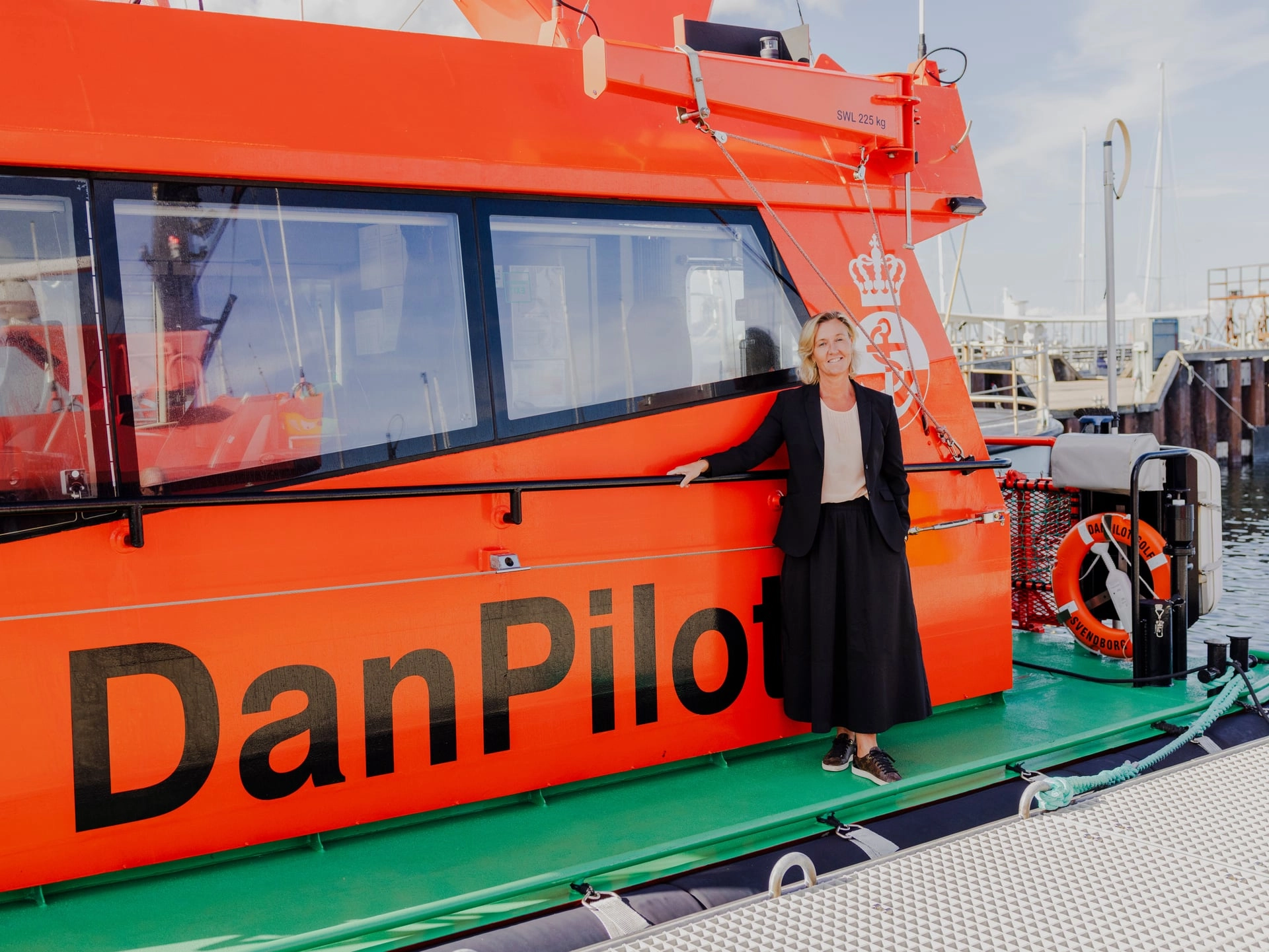
Case Interview: Janni Torp Kjærgaard, DanPilot – Changing What Cannot Fail
Critical infrastructure is built around a promise of continuity. But fulfilling that promise increasingly requires change. Geopolitical uncertainty, new technologies and growing demands for resilience are reshaping what society expects from the organisations it depends on. In this case interview, we speak with DanPilot CEO Janni Torp Kjærgaard about leading within that tension – transforming an organisation while protecting the core task society relies on every day. For DanPilot, that means balancing safety and stability with innovation, organisational change and a broader role in national preparedness.
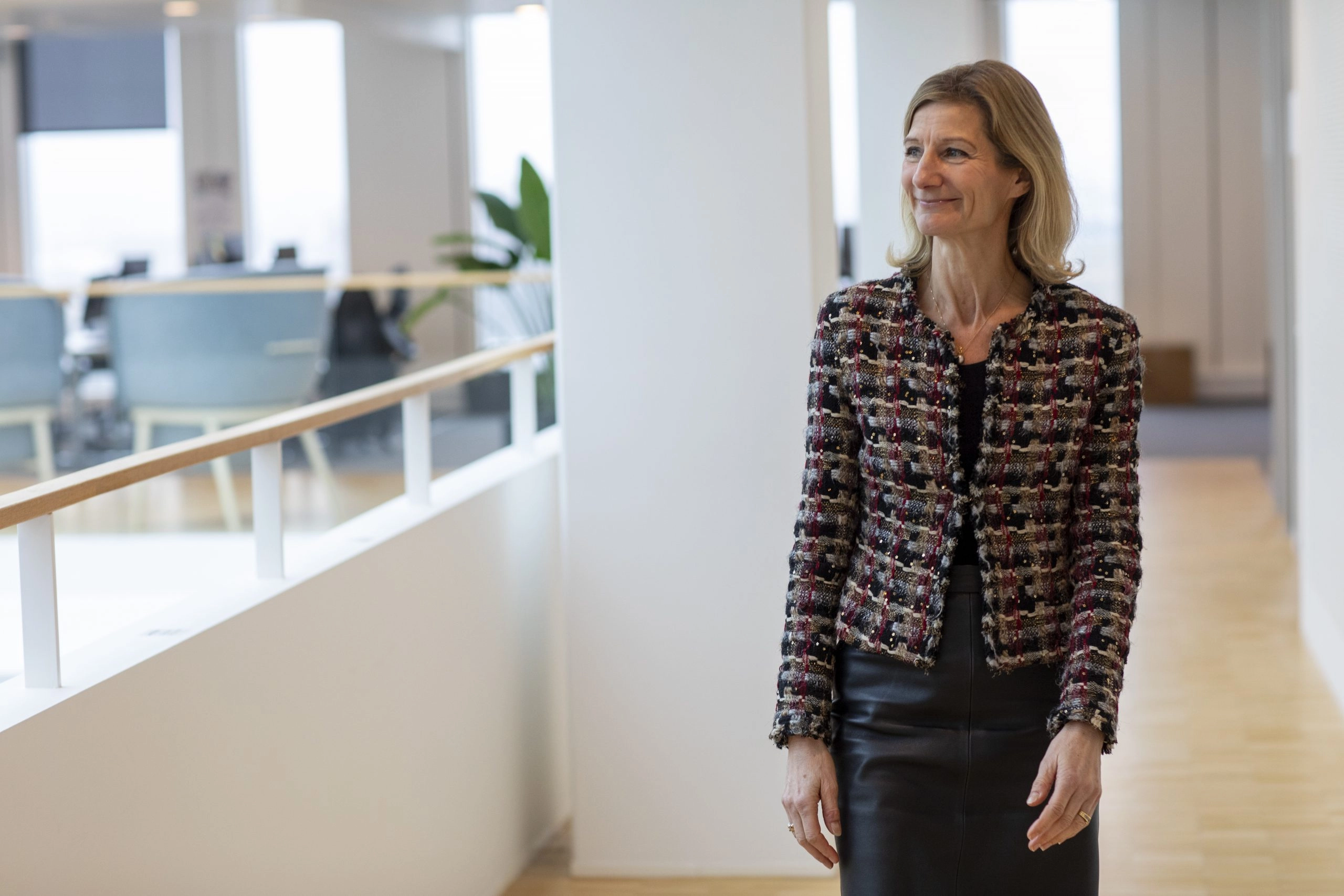
Case Interview – Resilience as Direction
A reflection on narrative as a leadership tool under pressure: In our conversation with Mette Kaagaard, CEO of Microsoft Denmark & Iceland, it becomes clear that a strategic narrative is not about branding, but about responsibility. In a time marked by cyber threats, geopolitics, and AI, concepts like resilience and digital sovereignty turn into concrete principles for action. The narrative is not layered on top of strategy – it defines mandate, priorities, and limits. When complexity intensifies, narrative is no longer decoration. It is direction.
Projects
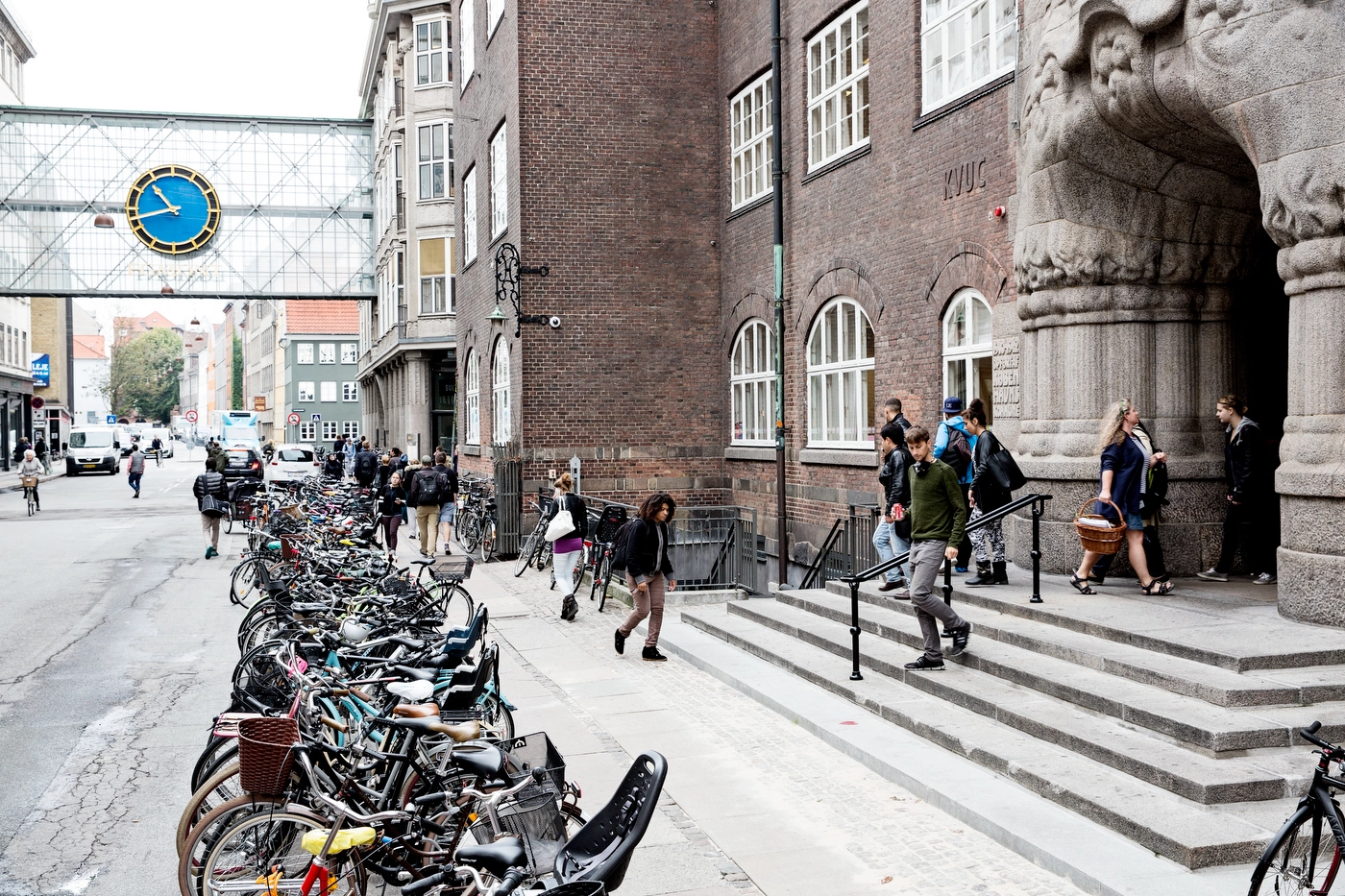
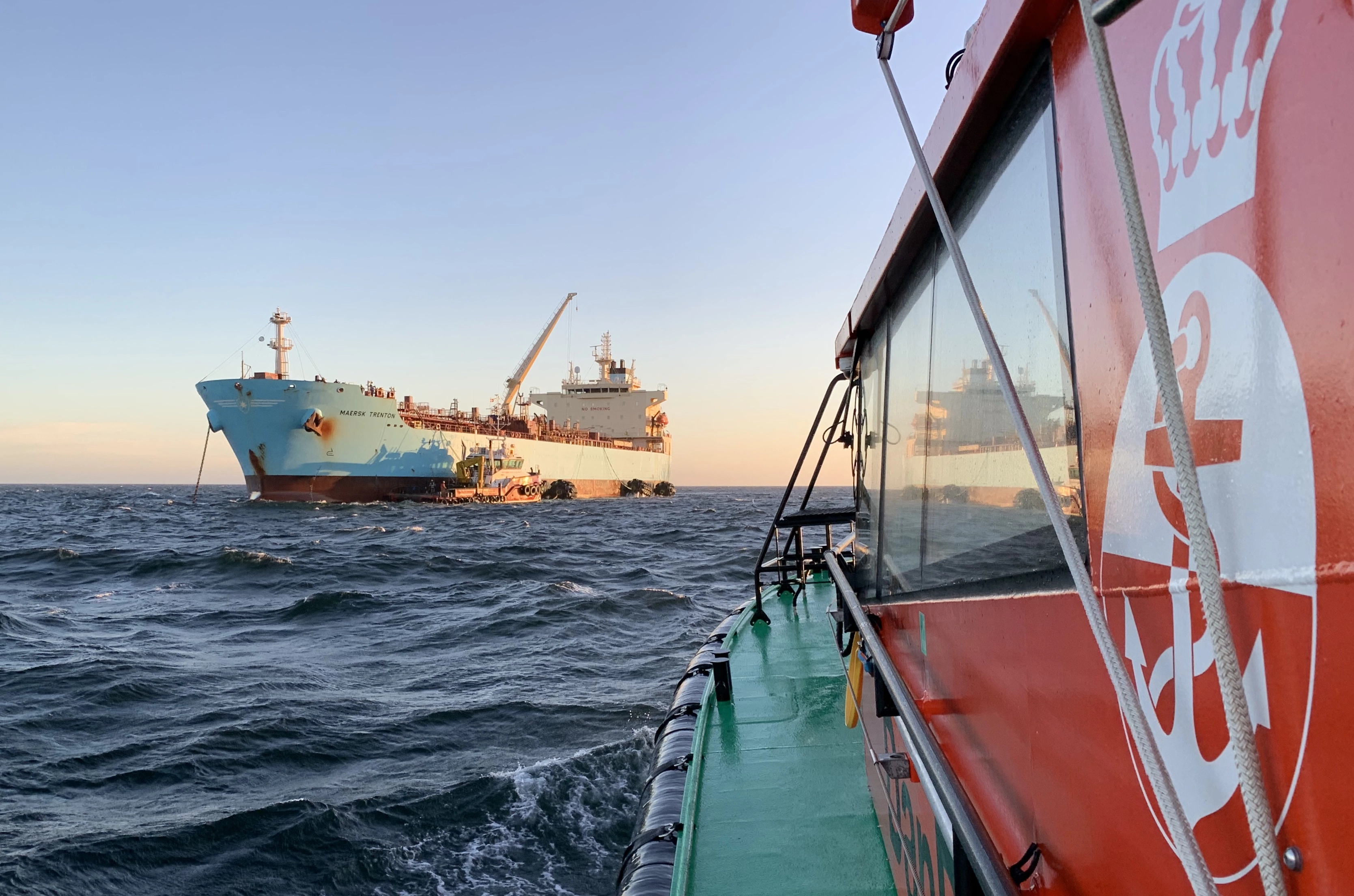
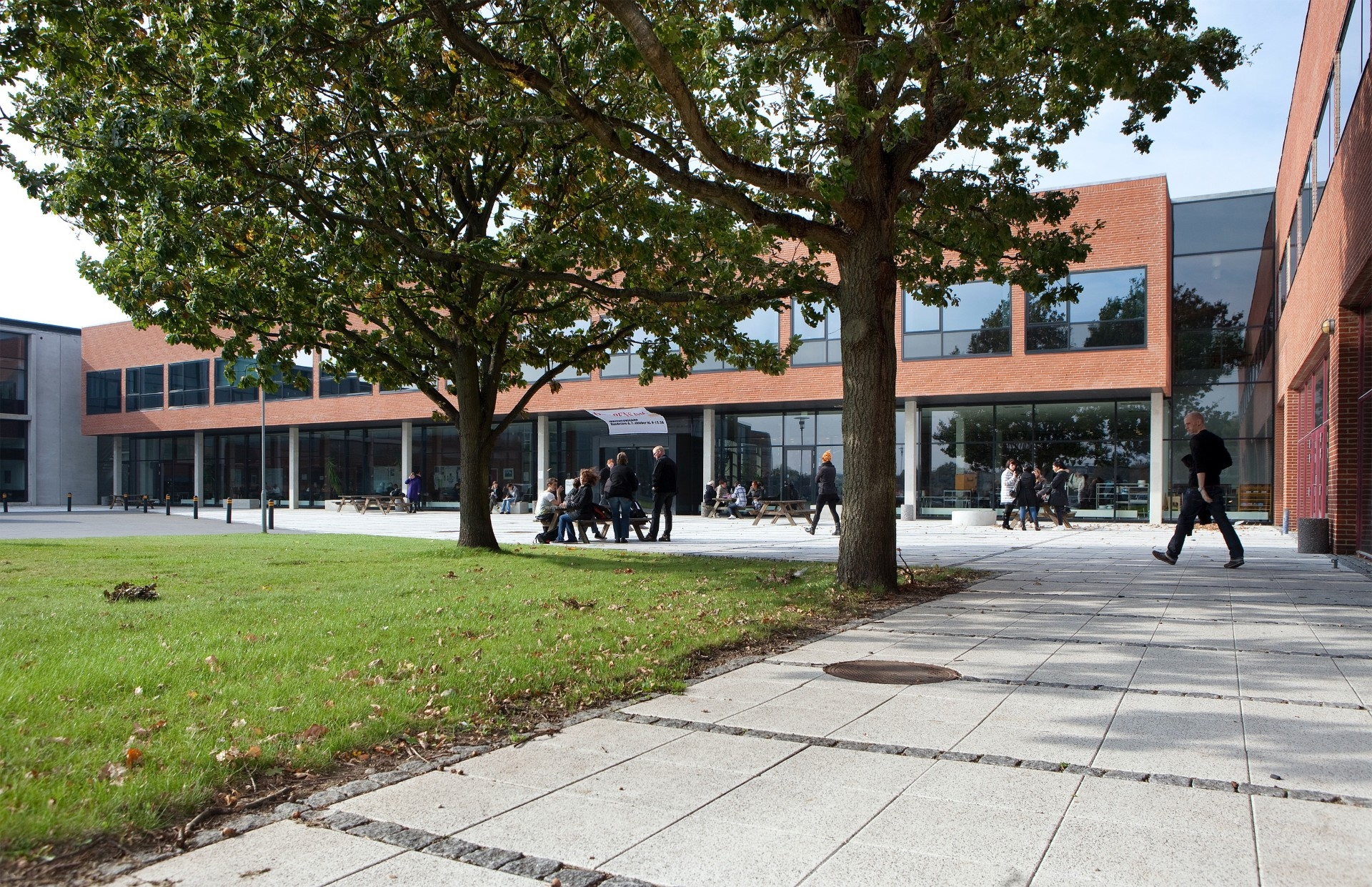


.webp)


Our services are not a window of prototype products:
We see who you are, your potential and probably also your limitations. We challenge you by connecting wisdom from politics, business and culture.
And then we find what you truly need.

Buzzing
Featured podcasts
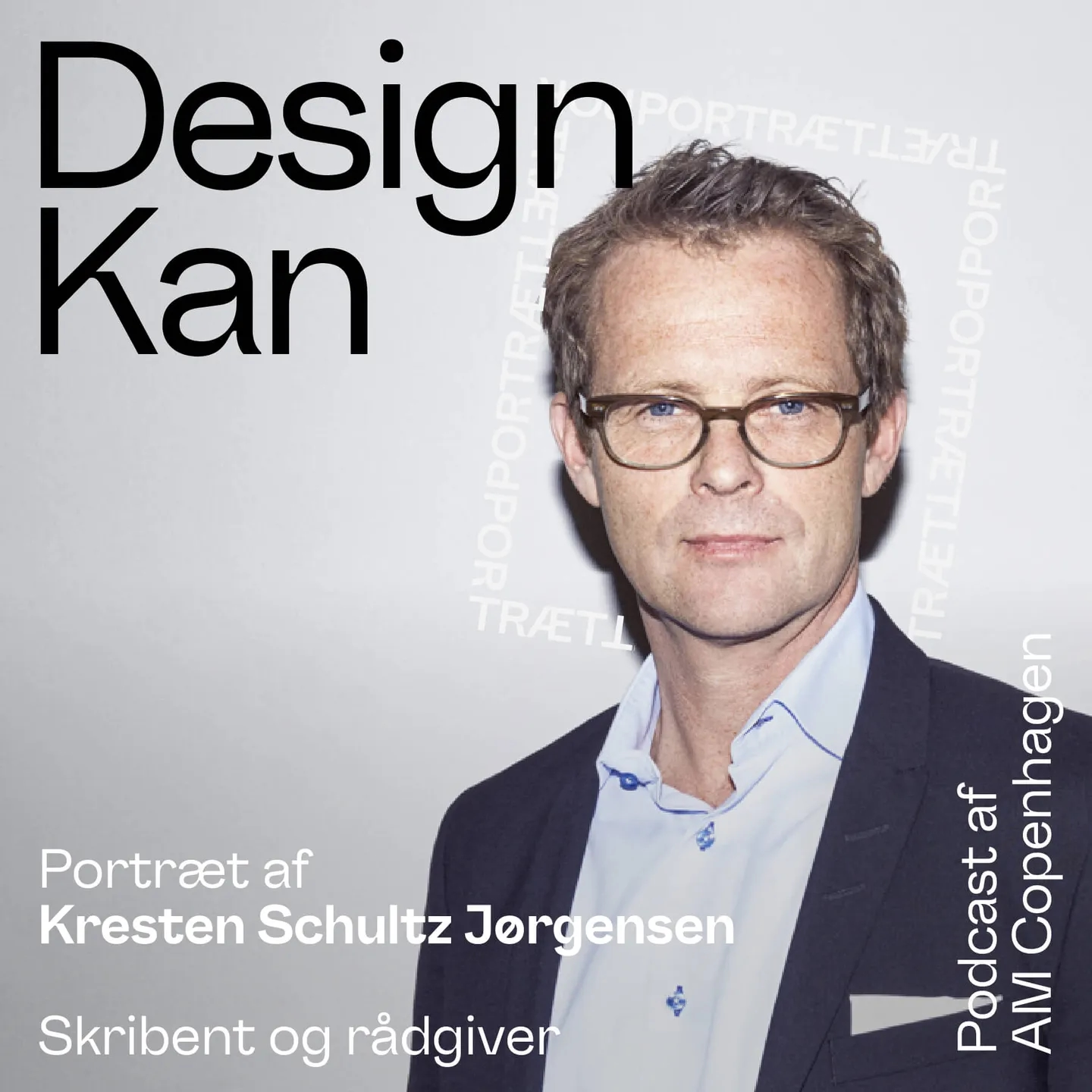
Portrait of Kresten Schultz-Jørgensen
Communication in its purest form means community - and in the latest episode of the podcast Design Kan with Kresten Schultz Jørgensen, focus is on particularly that concept. Kresten Schultz Jørgensen is a writer, adviser and communications expert. With over 30 years of experience in politics, business development and strategic communication, we talk about the common thread in his career, which spans far and wide. It's about communication and conversation. About gathering its stakeholders in a community in the conversation. Regardless of whether it is as marketing director at Det Kongelige Teater or as founder of the PR company LEAD Agency and the consulting company Oxymoron.
Portrait of Kresten Schultz-Jørgensen
Does Voice Still Have a Place in the Digital Age?
In days past, when all communication was purely analog, one had to physically stand up and speak out to be heard by a larger audience. Those days are over. Now, we sit behind individual screens to communicate and debate, mostly through brief texts because speed is of the essence. And when it comes to expressing emotions, we often resort to emojis, as language alone doesn't seem to suffice anymore.
Does Voice Still Have a Place in the Digital Age?

Frankly, we are very few people – and we take pride in keeping it that way. We call it the inverted pyramid.
We know politics, business and culture. We write books and read a lot. You probably know us already.
