

Case Interview: Astrid Nørgaard Friis, Grundfos: The Third Chapter of Sustainability
For much of the past decade, sustainability has been defined by mobilization.
Companies have established ambitious targets, developed reporting frameworks, launched new functions, and invested heavily in capabilities designed to accelerate the transition towards more sustainable business models. Across industries, sustainability has moved from the periphery of business to the center of strategic discussions.
This shift has been both necessary and consequential. Without it, many organizations would still be debating whether sustainability belongs in the business at all.
Today, a different conversation is beginning to emerge.
As 2030 draws closer and long-term commitments become increasingly tangible, the challenge facing many organizations is no longer how to formulate ambitions. It is how to deliver on them.
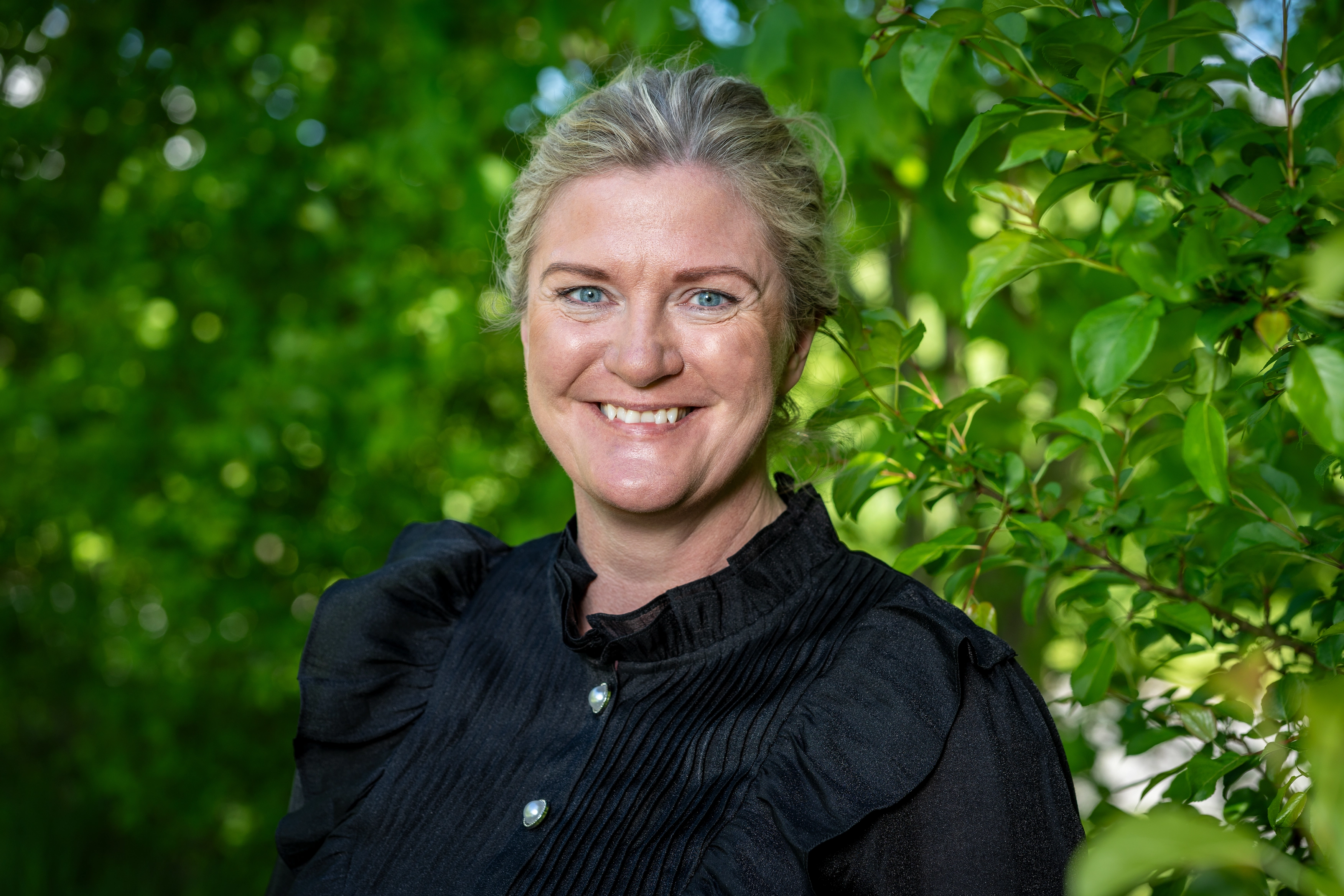
This is the backdrop for our conversation with Astrid Nørgaard Friis, Group Vice President of Corporate Affairs at Grundfos.
Over the past years, Grundfos has positioned sustainability as a core part of its long-term strategy, with ambitions spanning water stewardship climate action, and circular business.
In her role, Astrid operates at the intersection of business strategy and organizational development, helping ensure these ambitions translate into decisions and priorities across the company.
This makes Grundfos an interesting vantage point from which to observe a broader shift currently taking place across the sustainability field.
"We have spent years building awareness, creating momentum, and establishing clear ambitions," she says. "That work has been essential. But many organizations are now reaching a point where the challenge is no longer defining the direction. The challenge is making sure the ambition consistently influences decisions across the business."
What makes this observation interesting is that it points towards a broader shift taking place across the sustainability field.
For years, the central question was why organizations should act. Much of the effort was dedicated to creating legitimacy, aligning stakeholders, and building support for ambitious sustainability agendas. Today, most large organizations have already made their commitments. The challenge increasingly lies elsewhere.
As Astrid sees it, sustainability is entering a phase where organizations are tested less on their intentions and more on their ability to execute.
"The ambition is already established," she explains. "What matters now is whether it shapes the choices being made across functions, business units, and leadership teams. Because that is ultimately where progress is created."
At Grundfos, sustainability is deeply embedded in the company's long-term direction. Ambitions around water stewardship and net zero are integrated into the overall strategy rather than
positioned as separate initiatives. In many ways, this removes one of the questions that have dominated sustainability discussions elsewhere. The ambition has already been agreed upon.
What follows is therefore less about defining goals and more about understanding what those goals require from the organization itself.
As our conversation develops, a recurring theme begins to emerge: the relationship between ambition and organizational capability.
Many organizations have become increasingly sophisticated in defining what they want to achieve. Far fewer have spent the same amount of time considering what it takes to execute those ambitions consistently across business units, functions, markets, and leadership teams.
The consequence is familiar.
Sustainability initiatives often enjoy broad support while progress remains uneven. Targets are agreed upon, yet implementation moves slower than expected. Not because the ambition is unclear, but because responsibility, decision-making authority, and operational priorities do not always evolve at the same pace.
This is where sustainability enters what might be called its third chapter.
The first chapter was largely about legitimacy. Organizations needed to establish sustainability as a strategic concern. The second chapter focused on mobilization. New commitments were made, capabilities were built, and momentum accelerated.
The third chapter revolves around integration.
Not integration as a slogan, but as an organizational reality.
At a certain point in the conversation, we begin discussing governance. The word often appears technical and procedural, yet the way Astrid describes it is remarkably practical.
"I think many organizations have experienced situations where there is broad agreement on what needs to be done," she says. "Yet progress remains slower than expected. Often that is because responsibility is unclear, ownership is fragmented, or decision-making authority sits somewhere else."
Before returning to the practical implications, she makes an important distinction:
"The ambition exists, but the organization has not fully adapted to what the ambition requires."
In this context, governance is less about oversight and more about execution. It concerns whether decisions can be made, whether accountability is clear, and whether sustainability is embedded where priorities are set and resources allocated.
This is also where many of the tensions currently surrounding sustainability begin to make sense.
Across industries, leaders increasingly find themselves navigating competing priorities, geopolitical uncertainty, regulatory complexity, and economic pressures. From the outside, these tensions are sometimes interpreted as signs of declining ambition.
Astrid sees them differently.
"When sustainability becomes integrated into how a business operates, it naturally becomes part of the same discussions that shape every other strategic priority," she says. "You have to consider where you can create the greatest impact, how resources should be allocated, and what should happen first."
For her, these conversations signal something important.
"That is not a sign that sustainability is losing importance. It is a sign that it is becoming part of how the organization actually works."
The discussion gradually shifts from sustainability to leadership.
Because the capabilities required in this phase differ from those that characterized earlier stages of the journey.
The challenge is no longer to convince people that sustainability matters. Nor is it primarily to develop new frameworks or establish new commitments. The challenge is to ensure that sustainability becomes embedded within the everyday decisions that shape products, operations, procurement, investments, and commercial priorities.
That requires leaders across the organization to view sustainability as part of their own responsibility rather than as a specialized agenda owned by a dedicated function.
"The closer sustainability moves to the business, the more responsibility is shared across the organization," Astrid explains. "That requires different capabilities. It also requires leaders who are willing to engage with sustainability as part of their own area of responsibility."
We return to a simple observation.
Most organizations already know where they want to go. Their ambitions are articulated. Their targets are defined. Their commitments are public.
What increasingly differentiates organizations is something else: their ability to build the structures, capabilities, and leadership practices required to turn those ambitions into everyday decisions.
"We know where we want to go," Astrid says. "The real question is whether we are building organizations capable of getting us there."
Perhaps that is what sustainability's third chapter ultimately reveals.
Not a shift in destination.
A deeper focus on what it takes to reach it.
Case interview: Astrid Nørgaard Friis, Grundfos
The Third Chapter of Sustainability
For much of the past decade, sustainability has been defined by mobilization.
Companies have established ambitious targets, developed reporting frameworks, launched new functions, and invested heavily in capabilities designed to accelerate the transition towards more
sustainable business models. Across industries, sustainability has moved from the periphery of business to the center of strategic discussions.
This shift has been both necessary and consequential. Without it, many organizations would still be debating whether sustainability belongs in the business at all.
Today, a different conversation is beginning to emerge.
As 2030 draws closer and long-term commitments become increasingly tangible, the challenge facing many organizations is no longer how to formulate ambitions. It is how to deliver on them.
This is the backdrop for our conversation with Astrid Nørgaard Friis, Group Vice President of Corporate Affairs at Grundfos.
Over the past years, Grundfos has positioned sustainability as a core part of its long-term strategy, with ambitions spanning water stewardship climate action, and circular business.
In her role, Astrid operates at the intersection of business strategy and organizational development, helping ensure these ambitions translate into decisions and priorities across the company.
This makes Grundfos an interesting vantage point from which to observe a broader shift currently taking place across the sustainability field.
"We have spent years building awareness, creating momentum, and establishing clear ambitions," she says. "That work has been essential. But many organizations are now reaching a point where the challenge is no longer defining the direction. The challenge is making sure the ambition consistently influences decisions across the business."
What makes this observation interesting is that it points towards a broader shift taking place across the sustainability field.
For years, the central question was why organizations should act. Much of the effort was dedicated to creating legitimacy, aligning stakeholders, and building support for ambitious sustainability agendas. Today, most large organizations have already made their commitments. The challenge increasingly lies elsewhere.
As Astrid sees it, sustainability is entering a phase where organizations are tested less on their intentions and more on their ability to execute.
"The ambition is already established," she explains. "What matters now is whether it shapes the choices being made across functions, business units, and leadership teams. Because that is ultimately where progress is created."
At Grundfos, sustainability is deeply embedded in the company's long-term direction. Ambitions around water stewardship and net zero are integrated into the overall strategy rather than positioned as separate initiatives. In many ways, this removes one of the questions that have dominated sustainability discussions elsewhere. The ambition has already been agreed upon.
What follows is therefore less about defining goals and more about understanding what those goals require from the organization itself.
As our conversation develops, a recurring theme begins to emerge: the relationship between ambition and organizational capability.
Many organizations have become increasingly sophisticated in defining what they want to achieve. Far fewer have spent the same amount of time considering what it takes to execute those ambitions consistently across business units, functions, markets, and leadership teams.
The consequence is familiar.
Sustainability initiatives often enjoy broad support while progress remains uneven. Targets are agreed upon, yet implementation moves slower than expected. Not because the ambition is unclear, but because responsibility, decision-making authority, and operational priorities do not always evolve at the same pace.
This is where sustainability enters what might be called its third chapter.
The first chapter was largely about legitimacy. Organizations needed to establish sustainability as a strategic concern. The second chapter focused on mobilization. New commitments were made, capabilities were built, and momentum accelerated.
The third chapter revolves around integration.
Not integration as a slogan, but as an organizational reality.
At a certain point in the conversation, we begin discussing governance. The word often appears technical and procedural, yet the way Astrid describes it is remarkably practical.
"I think many organizations have experienced situations where there is broad agreement on what needs to be done," she says. "Yet progress remains slower than expected. Often that is because responsibility is unclear, ownership is fragmented, or decision-making authority sits somewhere else."
Before returning to the practical implications, she makes an important distinction:
"The ambition exists, but the organization has not fully adapted to what the ambition requires."
In this context, governance is less about oversight and more about execution. It concerns whether decisions can be made, whether accountability is clear, and whether sustainability is embedded where priorities are set and resources allocated.
This is also where many of the tensions currently surrounding sustainability begin to make sense.
Across industries, leaders increasingly find themselves navigating competing priorities, geopolitical uncertainty, regulatory complexity, and economic pressures. From the outside, these tensions are sometimes interpreted as signs of declining ambition.
Astrid sees them differently.
"When sustainability becomes integrated into how a business operates, it naturally becomes part of the same discussions that shape every other strategic priority," she says. "You have to consider where you can create the greatest impact, how resources should be allocated, and what should happen first."
For her, these conversations signal something important.
"That is not a sign that sustainability is losing importance. It is a sign that it is becoming part of how the organization actually works."
The discussion gradually shifts from sustainability to leadership.
Because the capabilities required in this phase differ from those that characterized earlier stages of the journey.
The challenge is no longer to convince people that sustainability matters. Nor is it primarily to develop new frameworks or establish new commitments. The challenge is to ensure that sustainability becomes embedded within the everyday decisions that shape products, operations, procurement, investments, and commercial priorities.
That requires leaders across the organization to view sustainability as part of their own responsibility rather than as a specialized agenda owned by a dedicated function.
"The closer sustainability moves to the business, the more responsibility is shared across the organization," Astrid explains. "That requires different capabilities. It also requires leaders who are willing to engage with sustainability as part of their own area of responsibility."
We return to a simple observation.
Most organizations already know where they want to go. Their ambitions are articulated. Their targets are defined. Their commitments are public.
What increasingly differentiates organizations is something else: their ability to build the structures, capabilities, and leadership practices required to turn those ambitions into everyday decisions.
"We know where we want to go," Astrid says. "The real question is whether we are building organizations capable of getting us there."
Perhaps that is what sustainability's third chapter ultimately reveals.
Not a shift in destination.
A deeper focus on what it takes to reach it.